
Seasonal Changes Transform Familiar Swamp Routes Throughout South Louisiana
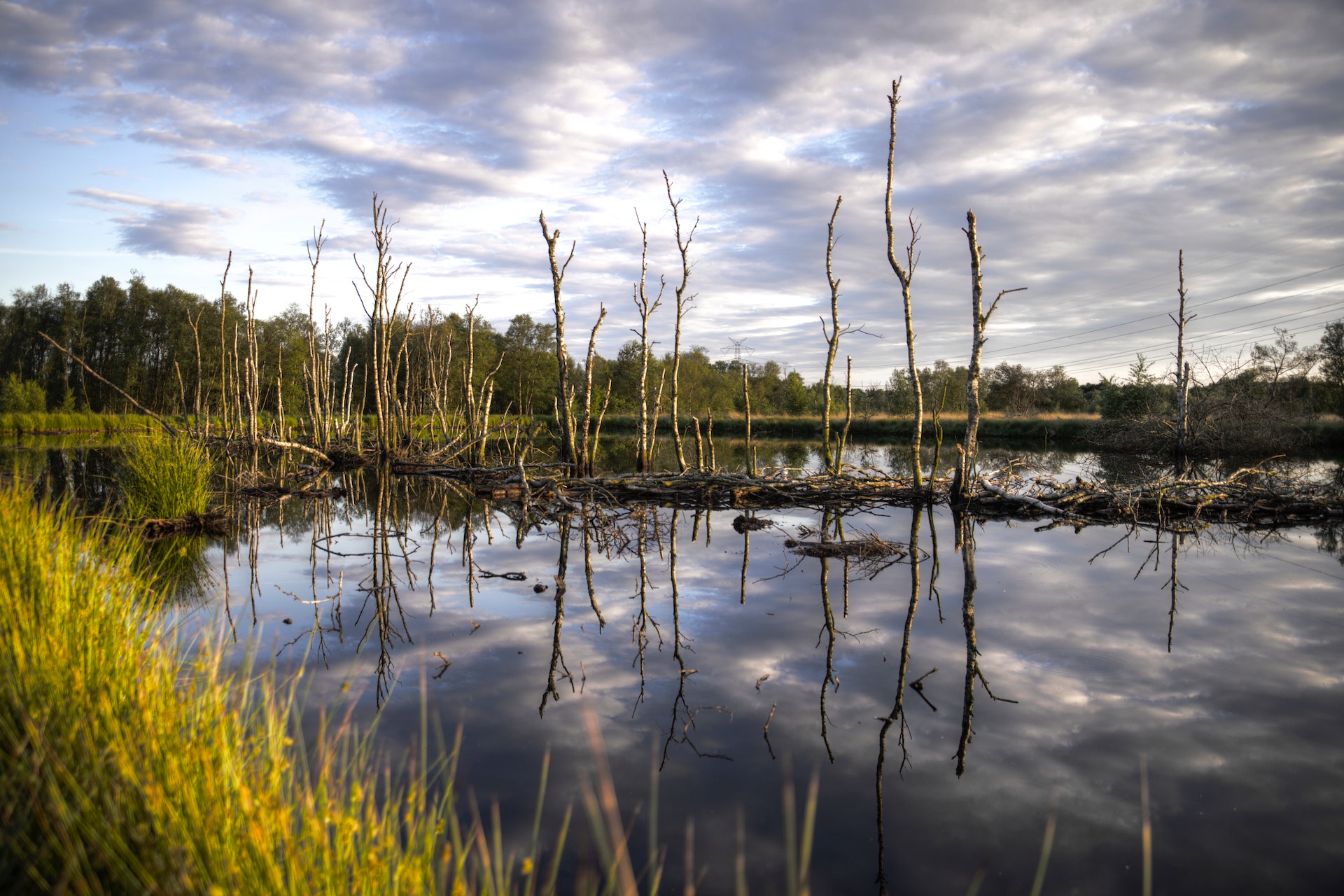
Swamp waterways are constantly influenced by surrounding environmental conditions”
NEW ORLEANS, LA, UNITED STATES, October 19, 2026 /EINPresswire.com/ -- Familiar swamp routes throughout South Louisiana can undergo noticeable changes from one season to another as water levels fluctuate, vegetation develops, wildlife activity shifts, and weather conditions influence surrounding wetlands. Waterways that appear open and accessible during one period of the year may look substantially different several months later, even when the underlying route remains unchanged.— Milton Walker Jr.
Louisiana Tour Company, a New Orleans-based swamp tour operator, is highlighting the environmental factors responsible for seasonal changes in Louisiana's swamps, marshes, and bayous, along with the importance of understanding how natural conditions affect waterway navigation and wildlife observation.
Louisiana's wetland environments are dynamic ecosystems shaped by rainfall, temperature, river conditions, vegetation cycles, sediment movement, and seasonal weather patterns. These factors influence water depth, visibility, shoreline appearance, and the distribution of plants and animals throughout the region.
For individuals navigating swamp waterways regularly, recognizing seasonal changes is an important part of understanding the surrounding environment.
Water Levels Influence Swamp Accessibility
Water levels represent one of the more noticeable factors affecting the appearance of swamp routes.
Rainfall, river stages, drainage patterns, and local hydrological conditions can cause water levels to rise or fall throughout the year.
During periods of elevated water, previously exposed tree roots, mudbanks, and shallow areas may become submerged. Water may also extend into surrounding wooded areas, temporarily changing the appearance of familiar shorelines.
Lower water levels can expose submerged obstacles, sediment deposits, and vegetation that remained hidden during wetter conditions.
According to Milton Walker Jr., owner of Louisiana Tour Company in New Orleans, understanding water-level fluctuations is an important consideration when navigating familiar swamp environments.
"Swamp waterways are constantly influenced by surrounding environmental conditions," Walker said. "A route that appears wide and open during one season may become narrower or reveal additional obstacles when water levels change. Recognizing those differences is part of understanding how Louisiana's wetlands function throughout the year."
Seasonal Vegetation Growth Changes Visibility
Vegetation also contributes to seasonal changes in swamp landscapes.
Bald cypress trees, tupelo trees, aquatic plants, and other wetland vegetation respond to changing temperatures, sunlight, and water conditions.
During warmer months, increased foliage and plant growth can create dense vegetation along waterways.
Floating aquatic plants may accumulate in certain locations, while emergent vegetation can reduce visibility along shallow channels.
During cooler periods, deciduous trees lose foliage, potentially revealing additional sections of surrounding wetlands.
These changes can affect the appearance of shorelines, the visibility of wildlife, and the perceived width of navigation routes.
Vegetation movement caused by wind, currents, and changing water levels can also alter conditions within individual channels.
Wildlife Activity Varies Throughout the Year
Seasonal changes influence wildlife behavior and visibility across Louisiana's wetland habitats.
American alligators, turtles, wading birds, fish, and numerous other species respond to temperature, food availability, breeding cycles, and habitat conditions.
Alligators are ectothermic reptiles, meaning body temperature is influenced by surrounding environmental conditions.
During warmer periods, alligators generally become more active, although extreme heat can influence activity patterns and habitat selection.
Cooler temperatures can reduce visible activity, with animals spending more time in sheltered locations or areas providing favorable thermal conditions.
Bird activity also changes seasonally as migratory species arrive, depart, or occupy different habitats.
Walker noted that wildlife observation depends on environmental conditions rather than a fixed daily pattern.
"Wildlife activity changes with temperature, water conditions, and seasonal behavior," Walker said. "An area containing visible alligators or birds during one visit may appear quieter during another. Those differences reflect the natural rhythms of the ecosystem rather than a permanent change in the habitat."
Rainfall and Storm Activity Affect Waterways
South Louisiana experiences periods of heavy rainfall and tropical weather that can influence wetland conditions.
Substantial rainfall may increase water levels, alter currents, and transport floating vegetation or debris into navigation channels.
Storm activity can also cause branches, fallen trees, and other materials to accumulate in waterways.
In coastal and tidally influenced wetlands, wind direction, tides, and storm-related water movement may produce additional changes in water levels and accessibility.
After significant weather events, familiar routes may require reassessment to identify new obstacles or altered navigation conditions.
Sediment movement and erosion can also influence channel depth and shoreline characteristics over time.
Light and Seasonal Weather Change the Landscape
The visual appearance of swamp environments can change even when water levels and vegetation remain relatively stable.
Seasonal differences in sunlight angle, cloud cover, humidity, and atmospheric conditions influence visibility and the appearance of surrounding landscapes.
Morning fog may reduce visibility across waterways, particularly when temperature and moisture conditions support fog formation.
During cooler months, reduced foliage can expose tree structures and surrounding terrain that remain obscured during periods of dense vegetation.
Sunlight filtering through cypress branches, reflections across open water, and seasonal changes in plant coloration contribute to variations in the appearance of familiar routes.
These visual differences can make the same waterway appear substantially different throughout the year.
Navigation Requires Environmental Awareness
Navigating swamp waterways involves evaluating conditions that may change between visits.
Water depth, submerged obstacles, floating debris, vegetation accumulation, and weather conditions can influence route selection.
Established waterways may remain geographically consistent while presenting different operational considerations during changing seasons.
Local knowledge, appropriate navigation practices, and awareness of current environmental conditions contribute to informed decisions.
Walker emphasized that familiarity with a route does not eliminate the need to evaluate existing conditions.
"Experience with a particular waterway provides useful background, but current conditions still determine how navigation should be approached," Walker said. "Changes in water depth, vegetation, debris, and weather can affect familiar routes. Environmental awareness remains important regardless of how frequently a location has been visited."
Seasonal Changes Reflect Wetland Dynamics
Louisiana's swamps and bayous are continuously influenced by natural environmental processes.
Changes in water levels, vegetation, wildlife activity, and weather contribute to seasonal differences in landscape appearance and waterway accessibility.
These variations illustrate the relationship between hydrology, climate, plant communities, and wildlife within wetland ecosystems.
Understanding seasonal changes provides additional context for observing Louisiana's wetlands and recognizing the environmental conditions that shape familiar swamp routes throughout the year.
About Louisiana Tour Company
Louisiana Tour Company is a New Orleans, Louisiana-based tour operator providing swamp tours and regional sightseeing experiences. The company introduces visitors to Louisiana's wetlands, waterways, wildlife habitats, and surrounding natural environments.
Morgan Thomas
Rhino Digital, LLC
+1 504-875-5036
email us here
Visit us on social media:
Facebook
Legal Disclaimer:
EIN Presswire provides this news content "as is" without warranty of any kind. We do not accept any responsibility or liability for the accuracy, content, images, videos, licenses, completeness, legality, or reliability of the information contained in this article. If you have any complaints or copyright issues related to this article, kindly contact the author above.
