

Cold Fronts Can Change Wildlife Activity Across Louisiana Swamps
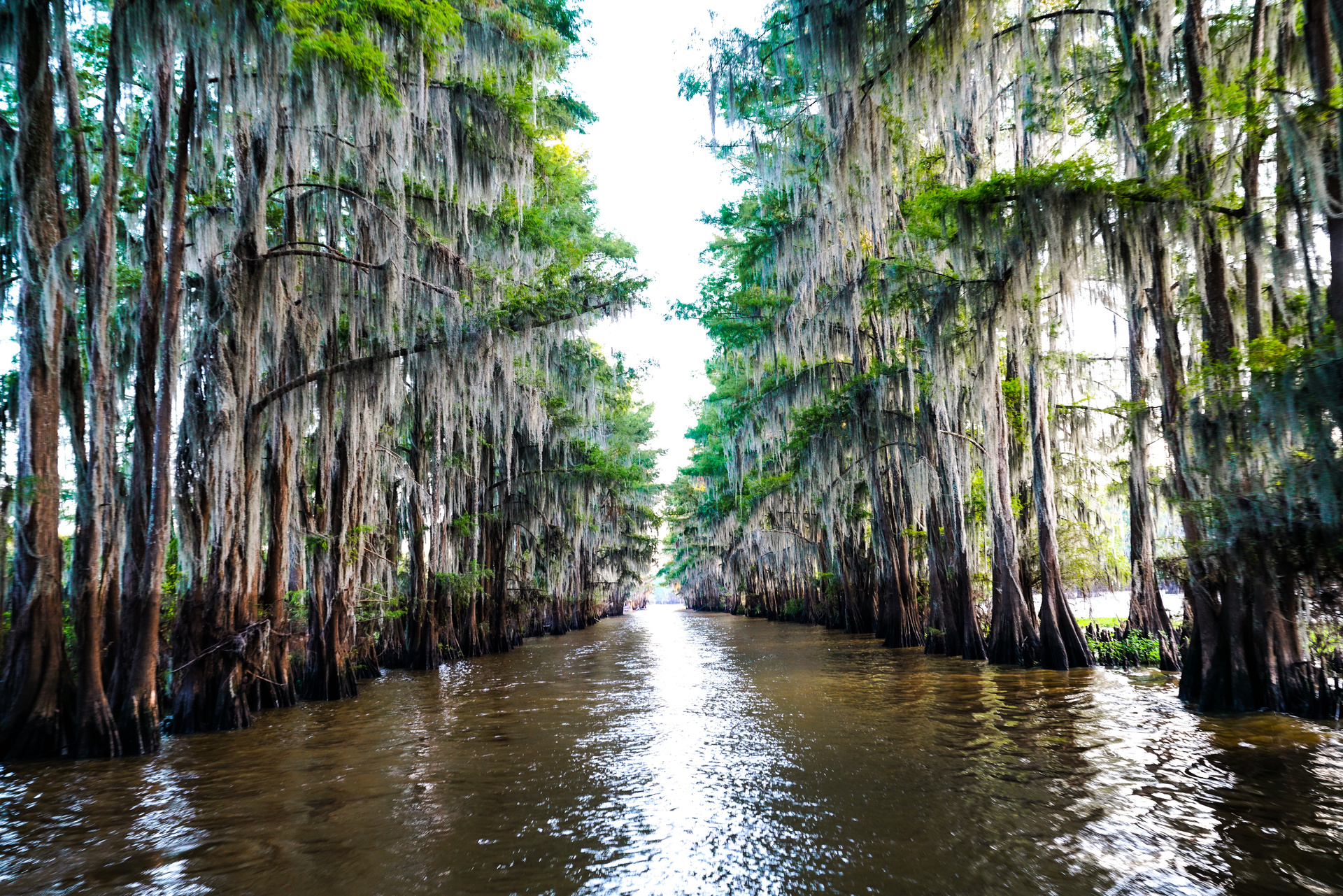

A Louisiana swamp does not become inactive just because a cold front comes through”
NEW ORLEANS, LA, UNITED STATES, August 20, 2026 /EINPresswire.com/ -- Cold fronts moving through South Louisiana can create noticeable changes in swamp environments, affecting animal movement, feeding patterns and the locations where certain species are likely to be observed. Temperature changes influence reptiles, birds, mammals, fish and other wildlife differently, making weather an important factor in understanding activity throughout Louisiana wetlands.— Milton Walker Jr.
Louisiana generally experiences mild winters compared with northern states, but temperatures can change quickly when a cold front moves through the region. Warm, humid conditions may be replaced by cooler temperatures, stronger winds and changes in atmospheric pressure within a matter of hours.
Wildlife responds to those changes according to each species' biology and behavior.
Alligators provide one of the clearest examples. As ectothermic reptiles, alligators depend heavily on environmental temperatures to regulate body temperature. Unlike mammals, reptiles do not internally maintain a constant body temperature.
As air and water temperatures decline, alligator metabolism slows. Feeding and general movement may decrease, particularly during extended periods of colder weather. Alligators may remain in deeper water, sheltered areas or other locations that provide relatively stable temperatures.
When sunlight returns following a cold period, alligators may emerge to bask as conditions allow.
According to Milton Walker Jr., owner of Louisiana Tour Company in New Orleans, seasonal weather changes can create a noticeably different experience in the swamp.
“A Louisiana swamp does not become inactive just because a cold front comes through,” Walker said. “Different animals respond to temperature changes in different ways. Alligator activity may slow during colder conditions, while certain birds and mammals may remain active or become easier to notice as vegetation and seasonal patterns change.”
Bird activity can be particularly significant during the cooler months.
Louisiana wetlands provide habitat for resident birds throughout the year while also serving as wintering areas and migration corridors for numerous species. Ducks and other waterfowl may become more noticeable during colder periods as seasonal populations move through or settle into suitable wetland habitat.
Herons, egrets and other wading birds remain part of the landscape as well, although feeding locations and activity can shift based on water levels, wind and available prey.
Cold fronts can influence mammals differently because mammals regulate body temperature internally.
Raccoons, nutria, deer, otters and other mammals found around Louisiana wetlands do not respond to temperature in the same manner as reptiles. Cooler weather may alter feeding schedules or movement patterns, but many mammals remain active throughout winter.
Time of day can become important.
During warmer periods, some animals may reduce activity during the hottest portions of the afternoon. Cooler temperatures can shift comfortable activity periods, creating different opportunities for movement during daylight hours.
Water temperature also plays a role throughout the ecosystem.
Fish, amphibians, reptiles and many aquatic organisms respond to changes in water temperature. Cold weather can slow metabolism in fish and alter feeding behavior. Frogs and other amphibians may become less active as temperatures decline.
Those changes can influence predators that depend on aquatic prey.
Weather patterns also affect vegetation.
Deciduous plants lose leaves during cooler months, while other wetland vegetation changes density or appearance. Reduced foliage can alter visibility through portions of the swamp, sometimes making birds, mammals, tree trunks and waterways easier to observe from greater distances.
The landscape itself can therefore look different following seasonal temperature changes.
Wind associated with cold fronts creates another variable.
Strong winds can influence bird flight, surface-water conditions and where animals seek shelter. Wildlife may move toward protected areas where vegetation, tree lines or landforms reduce exposure.
Changes in barometric pressure surrounding a front can also correspond with shifts in animal behavior, although responses vary considerably among species and conditions.
The period before a front, during the temperature change and after the front can each produce different patterns.
Before colder weather arrives, some wildlife may increase feeding activity. During the coldest portion of the weather event, reptiles and amphibians may become less active. As sunshine and warmer temperatures return, activity can gradually increase.
Louisiana's climate also means cold conditions often do not remain in place for long.
A winter morning can begin near freezing and be followed by considerably warmer conditions within a relatively short period. Wildlife behavior can change along with those fluctuations rather than following one fixed winter pattern.
Alligators demonstrate this particularly well. Several cold days may result in limited visible activity, followed by increased basking or movement when sunshine and warmer temperatures return.
Wildlife observations during cold weather should therefore be viewed as part of a changing ecosystem rather than an indication that animals have disappeared.
Seasonal conditions also influence the overall character of Louisiana swamps. Summer often brings dense vegetation, insects, heat and high levels of reptile activity. Cooler months can bring different bird populations, reduced foliage and changing animal behavior.
Neither season represents the swamp in a permanent state.
Wetlands constantly respond to temperature, rainfall, water levels, daylight and seasonal biological cycles.
Cold fronts simply make some of those changes easier to observe.
Understanding how temperature influences wildlife can provide additional context for interpreting what is happening throughout Louisiana's swamps. An alligator remaining mostly submerged, a group of waterfowl appearing during winter or mammals moving through exposed vegetation can each reflect environmental conditions occurring at that particular time.
Cold weather does not shut down a Louisiana swamp.
It changes the rhythm of activity, influencing which animals are moving, where activity occurs and how different species respond to the temporary arrival of colder conditions.
Morgan Thomas
Rhino Digital, LLC
+1 504-875-5036
email us here
Visit us on social media:
Facebook
Legal Disclaimer:
EIN Presswire provides this news content "as is" without warranty of any kind. We do not accept any responsibility or liability for the accuracy, content, images, videos, licenses, completeness, legality, or reliability of the information contained in this article. If you have any complaints or copyright issues related to this article, kindly contact the author above.
