
Louisiana Cypress Trees Continue to Shape the Character and Ecology of Swamp Landscapes

These trees help define Louisiana's swamps, support countless wildlife species, and remind visitors that the wetlands remain one of the state's most remarkable natural resources”
NEW ORLEANS, LA, UNITED STATES, August 7, 2026 /EINPresswire.com/ -- The towering cypress trees found throughout Louisiana's swamps have long been recognized as one of the state's most iconic natural features. Their broad trunks, distinctive "knees," and graceful branches draped with Spanish moss create landscapes that have become closely associated with the region's cultural identity. Beyond their unmistakable appearance, cypress trees serve an important role in supporting wildlife habitats, stabilizing wetlands, and shaping the unique ecosystems that define much of coastal Louisiana.— Milton Walker Jr.
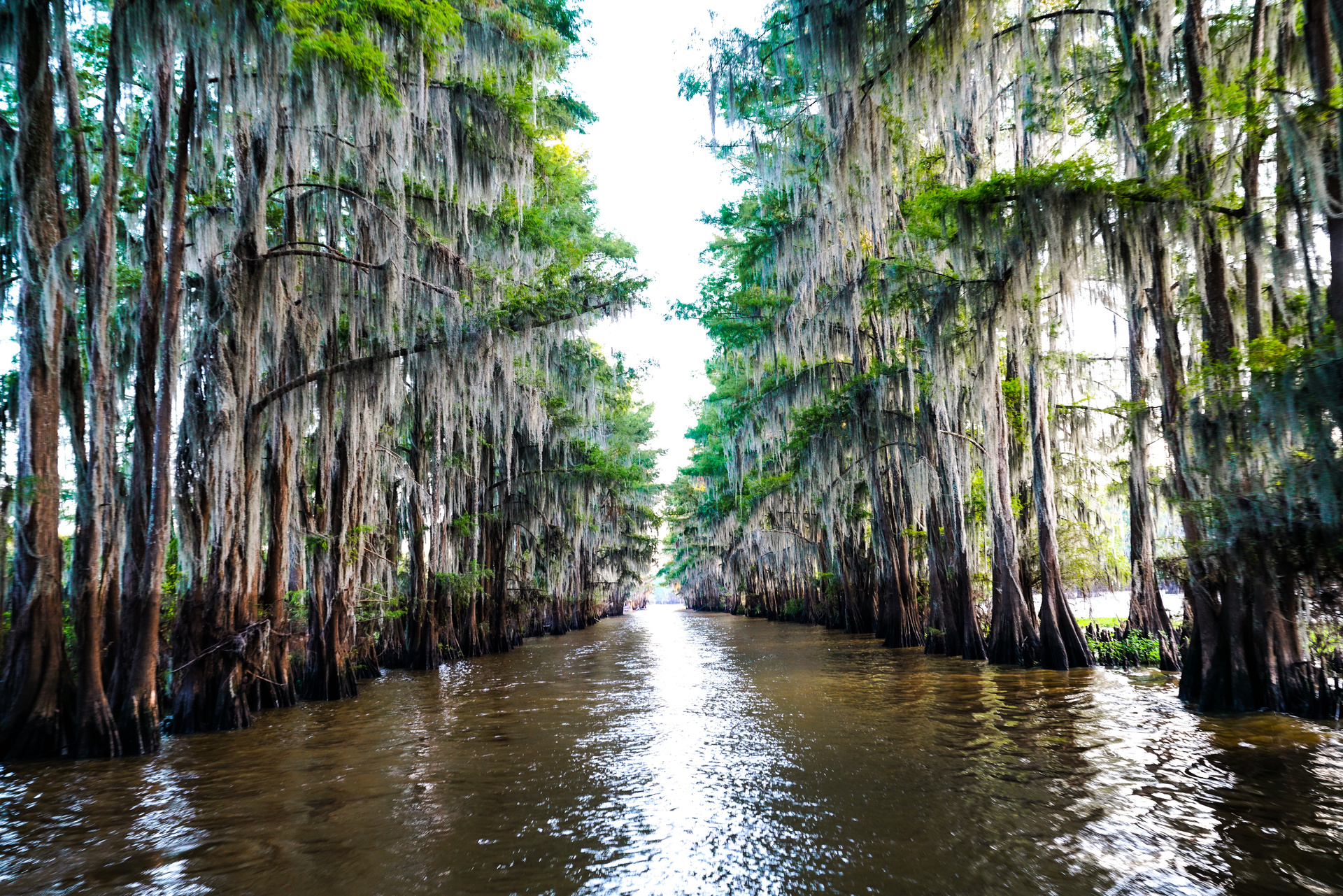
Bald cypress trees (Taxodium distichum) thrive in wet environments where many other tree species cannot survive. Found in swamps, bayous, floodplains, and along slow-moving rivers, these trees have adapted to periods of prolonged flooding through specialized root systems and remarkable tolerance for saturated soils. Their ability to flourish in standing water has allowed cypress forests to become a defining characteristic of Louisiana's wetland landscapes.
One of the most recognizable features of cypress trees is the formation of cypress knees. These woody structures extend upward from the root system and are commonly seen protruding above the water's surface around mature trees. Although researchers continue studying their exact function, cypress knees are believed to contribute to structural stability while potentially assisting with oxygen exchange in flooded environments.
The broad root systems of mature cypress trees also help stabilize wetland soils. During periods of heavy rainfall and seasonal flooding, these roots assist in reducing erosion by holding sediment in place. This stabilization contributes to the long-term health of swamp ecosystems while supporting the gradual accumulation of organic material that benefits surrounding plant life.
Cypress forests provide habitat for a wide variety of wildlife species. Birds, reptiles, amphibians, mammals, fish, and countless invertebrates rely on these wetlands throughout different stages of their life cycles. Wading birds frequently nest among cypress branches, while turtles, snakes, frogs, and alligators use the surrounding habitat for shelter and breeding. Fish often benefit from submerged roots that provide protection for young aquatic species.
The seasonal cycle of cypress trees also contributes to wetland ecology. Unlike many evergreen swamp plants, bald cypress trees lose their needles during the fall before producing fresh growth in the spring. The fallen needles decompose naturally, adding nutrients to wetland soils while supporting microorganisms that contribute to the broader food web.
Spanish moss, another familiar feature of Louisiana swamps, is commonly associated with cypress trees. Although often mistaken for a parasite, Spanish moss is an epiphytic plant that uses tree branches primarily for support rather than drawing nutrients from the tree itself. The combination of cypress trees and Spanish moss creates the distinctive scenery that has inspired generations of artists, photographers, writers, and visitors.
Historically, cypress wood played an important role in Louisiana's economy. The wood's natural resistance to decay and insects made it highly valued for construction, bridges, docks, boats, and outdoor structures. Extensive logging occurred throughout the late nineteenth and early twentieth centuries, significantly reducing many old-growth cypress forests. Conservation efforts and sustainable management practices have since contributed to the protection and regeneration of many remaining cypress wetlands.
Modern conservation initiatives recognize the importance of preserving cypress ecosystems for both environmental and economic reasons. Healthy wetlands provide flood protection, improve water quality, support commercial and recreational fisheries, and create habitat for numerous species that contribute to Louisiana's biodiversity.
Seasonal changes bring different characteristics to cypress swamps throughout the year. Spring introduces fresh green foliage and increased wildlife activity. Summer provides dense shade beneath the tree canopy while aquatic vegetation flourishes. Autumn transforms the needles into shades of rust and bronze before they fall into the water below. Winter offers unobstructed views through the bare branches, highlighting the distinctive silhouettes of mature trees against the swamp landscape.
Weather events also demonstrate the resilience of cypress trees. Their flexible trunks and extensive root systems allow many mature specimens to withstand hurricanes, flooding, and changing water levels better than numerous other tree species. While severe storms can still cause damage, many cypress forests continue serving as stable components of coastal ecosystems through repeated natural events.
Louisiana's cypress swamps have also become an important destination for nature tourism. Visitors from across the country travel to experience swamp tours, wildlife photography, birdwatching, and educational excursions that highlight the ecological significance of these remarkable environments. The scenery created by mature cypress forests offers opportunities to observe native wildlife while gaining a greater appreciation for the complexity of wetland ecosystems.
Scientific research continues examining the long-term role of cypress forests in addressing environmental challenges affecting coastal Louisiana. Studies involving wetland restoration, water quality, carbon storage, and habitat conservation frequently include cypress ecosystems because of their ecological importance throughout the Gulf Coast region.
"Cypress trees represent far more than beautiful scenery," said Milton Walker Jr., owner of Alert Transportation, who takes pride in providing top-quality transportation services throughout the Greater New Orleans area. "These trees help define Louisiana's swamps, support countless wildlife species, and remind visitors that the wetlands remain one of the state's most remarkable natural resources."
As Louisiana continues working to preserve its coastal wetlands, cypress trees remain central to the health, appearance, and ecological function of swamp environments. Their unique adaptations, historical significance, and environmental contributions continue shaping the landscapes that have become enduring symbols of the state's natural heritage.
Morgan Thomas
Rhino Digital, LLC
+1 504-875-5036
email us here
Visit us on social media:
Facebook
Legal Disclaimer:
EIN Presswire provides this news content "as is" without warranty of any kind. We do not accept any responsibility or liability for the accuracy, content, images, videos, licenses, completeness, legality, or reliability of the information contained in this article. If you have any complaints or copyright issues related to this article, kindly contact the author above.
