

Sporting Event Transportation Planning Reduces Game-Day Congestion and Delays
Well-planned transportation removes uncertainty from the event experience...When routing, timing, and staging are addressed in advance, movement becomes predictable instead of reactive”
NEW ORLEANS, LA, UNITED STATES, February 10, 2026 /EINPresswire.com/ -- Large sporting events generate significant movement across urban transportation networks, often compressing thousands of arrivals and departures into narrow time windows. Without coordinated transportation planning, this surge can lead to roadway congestion, delayed arrivals, pedestrian safety concerns, and extended post-event gridlock. Structured transportation strategies play a critical role in managing these pressures and supporting efficient event operations.— Milton Walker Jr.
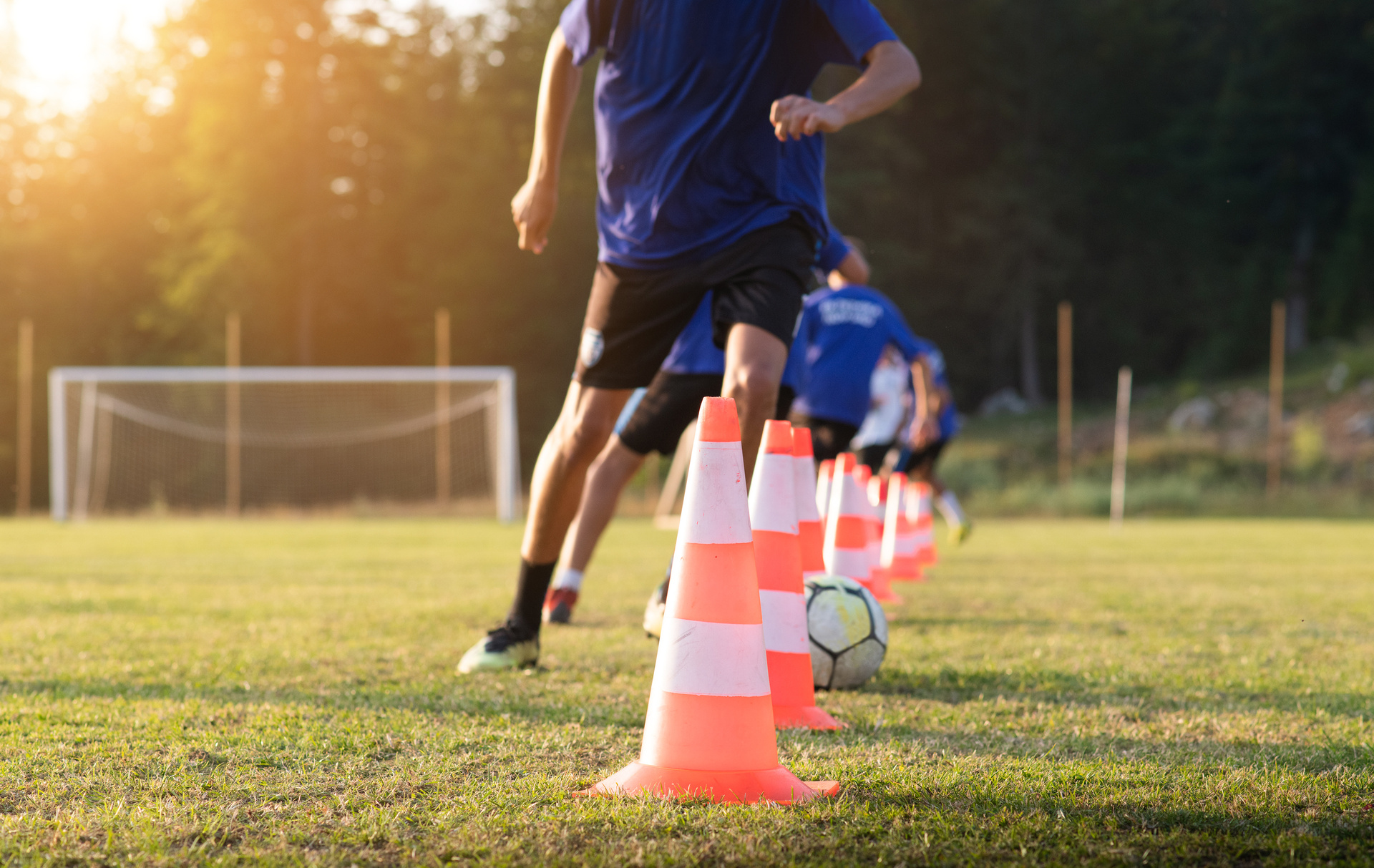
Game-day congestion typically results from overlapping travel patterns. Personal vehicles, rideshare services, charter buses, delivery traffic, and pedestrians converge around venues simultaneously. Limited parking availability and street closures further complicate traffic flow. Transportation planning addresses these challenges by distributing arrival times, defining pickup and drop-off zones, and coordinating vehicle routing in advance.
One of the most effective congestion-reduction strategies involves centralized group transportation. Charter buses and coordinated shuttle services reduce the total number of vehicles entering high-density areas. Fewer vehicles translate directly into reduced intersection backups, improved emergency access, and safer pedestrian movement. Group transportation also allows for predictable staging locations, reducing last-minute stopping and illegal parking.
Predefined routing plans represent another critical element. Routes designed specifically for event traffic can bypass residential areas, minimize conflict with regular commuter flow, and align with temporary traffic control measures. Coordination with local authorities ensures that transportation routes reflect real-time road conditions, construction activity, and enforcement plans.
Staggered arrival scheduling further supports congestion management. By assigning arrival windows for teams, staff, vendors, and attendees using group transportation, traffic volume is spread across longer periods. This reduces peak congestion intensity and improves reliability for all road users. Predictable arrival patterns also assist law enforcement and traffic control personnel in allocating resources more effectively.
Pickup and drop-off management plays a substantial role in post-event flow. Unstructured pickup zones often become bottlenecks as vehicles compete for limited curb space. Planned transportation services establish designated zones with controlled access, allowing vehicles to load efficiently and exit without interfering with through traffic. This approach shortens wait times and reduces roadway obstruction.
Pedestrian safety is closely tied to transportation planning. High volumes of foot traffic crossing active roadways increase the risk of incidents, particularly after evening events. Coordinated transportation reduces random crossing behavior by directing passengers to controlled loading areas. Clear separation between vehicle and pedestrian zones supports safer movement throughout the event footprint.
Weather conditions further amplify the importance of planning. Rain, heat, or extreme humidity can slow loading times and increase pedestrian hesitation, compounding congestion. Transportation plans that account for shelter access, vehicle staging capacity, and contingency routing improve resilience under variable conditions.
Post-event departure management is often more challenging than arrivals. Simultaneous departures compress demand into a short period, overwhelming road capacity. Group transportation mitigates this surge by consolidating departures and enabling coordinated release of vehicles. Sequenced departures allow traffic controllers to maintain steady flow rather than reacting to sudden volume spikes.
Technology integration supports modern transportation planning efforts. GPS tracking, dispatch coordination, and communication systems allow real-time monitoring and adjustment. Visibility into vehicle location and load status helps operators respond to delays, reroute around incidents, and maintain schedule integrity. Data collected from past events also informs future planning adjustments.
Event size and venue layout influence transportation strategy selection. Stadiums embedded within dense urban areas require different approaches than suburban or campus-style venues. Access points, surrounding infrastructure, and adjacent land use all affect routing and staging decisions. Transportation planning aligns these variables to reduce friction between event traffic and everyday city movement.
Milton Walker Jr., owner of Alert Transportation, emphasizes that congestion reduction starts long before game day. “Well-planned transportation removes uncertainty from the event experience,” said Milton Walker Jr.. “When routing, timing, and staging are addressed in advance, movement becomes predictable instead of reactive.”
Regional coordination strengthens transportation outcomes. Collaboration between venue operators, transportation providers, municipal agencies, and law enforcement aligns expectations and responsibilities. Shared planning ensures that traffic control measures support transportation routes rather than conflict with them. This coordination also supports faster response when adjustments become necessary.
Environmental considerations also intersect with transportation planning. Reduced vehicle counts lower emissions and noise levels in surrounding neighborhoods. Efficient routing decreases idle time, contributing to improved air quality during high-traffic events. These effects support broader urban mobility goals while maintaining event accessibility.
Transportation planning does not eliminate congestion entirely, but it significantly reduces severity and duration. Predictable movement, structured routing, and centralized vehicle management transform chaotic traffic patterns into manageable flows. Attendees experience shorter travel times, safer walking conditions, and more reliable departures.
As sporting events continue to draw large regional audiences, transportation planning remains a foundational component of successful operations. Structured approaches to vehicle movement protect public safety, preserve surrounding neighborhoods, and support timely event schedules. Effective planning shifts game-day transportation from reactive problem-solving to coordinated execution, reducing delays and improving overall mobility throughout the Greater New Orleans Area.
Morgan Thomas
Rhino Digital, LLC
+1 504-875-5036
email us here
Visit us on social media:
Facebook
Legal Disclaimer:
EIN Presswire provides this news content "as is" without warranty of any kind. We do not accept any responsibility or liability for the accuracy, content, images, videos, licenses, completeness, legality, or reliability of the information contained in this article. If you have any complaints or copyright issues related to this article, kindly contact the author above.
